Industrial · Metal Surfaces
Can established roughness descriptors be translated into a new family of image-derived dimensional measures?
Partner validation pending
To the validation pageDCO · Digital Colour Optics
The observation
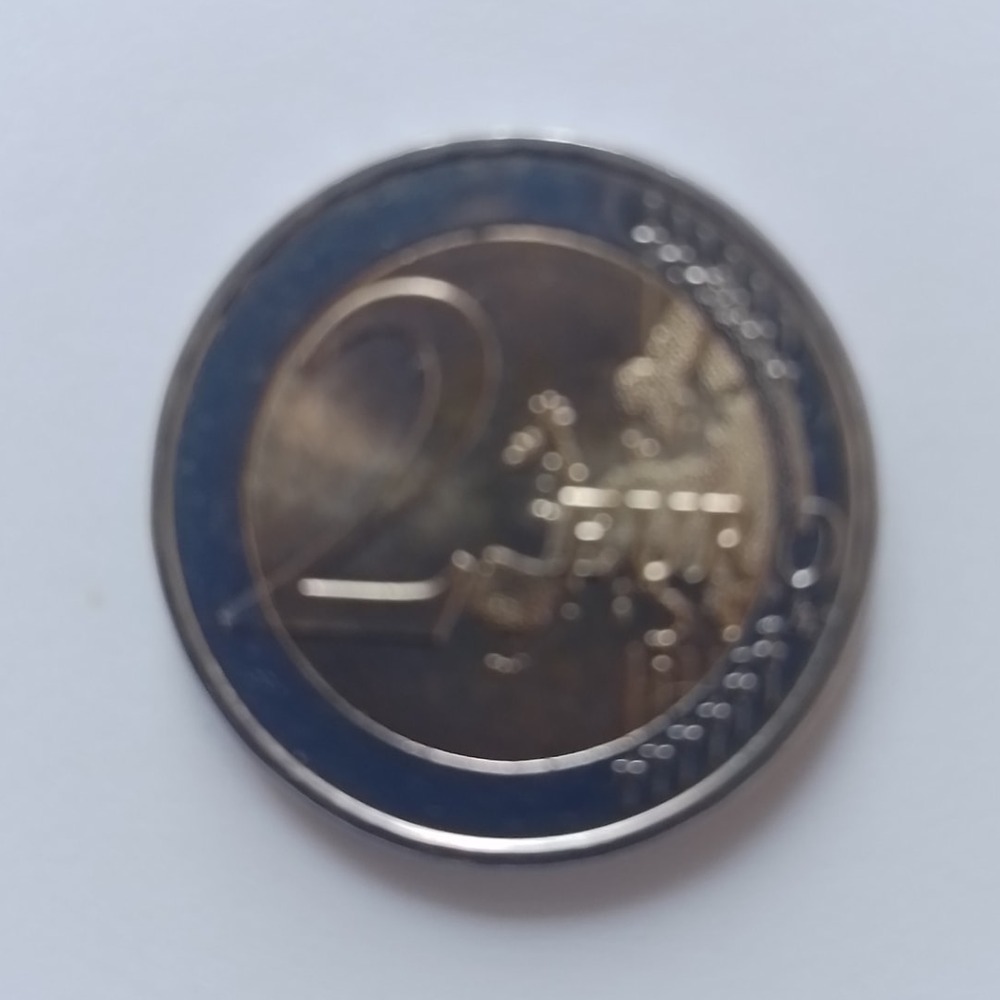
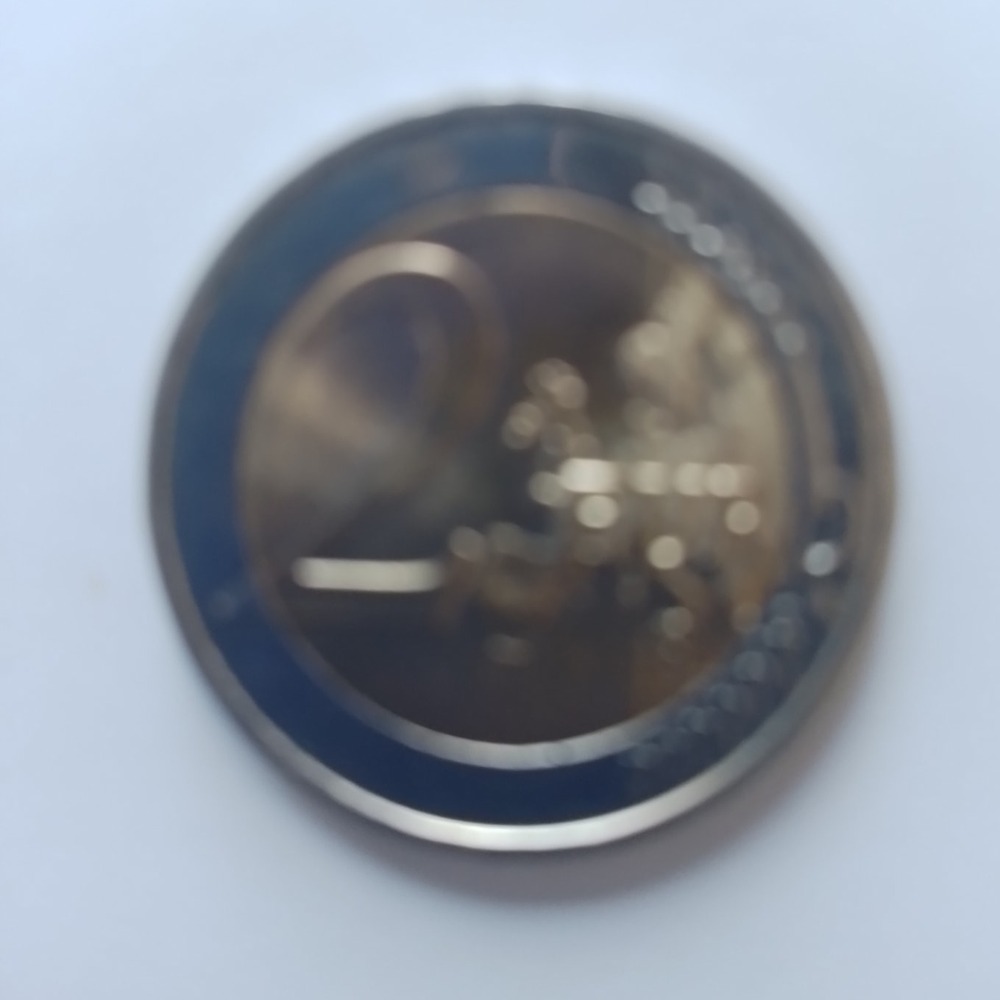
Δ ≈ repeat variation.
You cannot detect change until you understand repeat variation.
What appears identical to perception may differ measurably.
Without a calibrated reference, an image is only an impression.
Captures re-framed for visual alignment; content unaltered. ADI Studio demonstration – not DCO validation. Full case
Light becomes colour. Colour becomes numbers. DCO measures the differences.
Digital Colour Optics (DCO) establishes stable optical reference fields for image observation, comparison and measurement.
It asks a simple question: does an observed difference represent genuine change, or only measurement variation?
DCO does not make industrial, medical or scientific claims on its own. Instead, it provides methods for:
which can then be evaluated through expert review, independent evidence and formal validation.
Both applications derive from the same metrological principle you saw above.
Can established roughness descriptors be translated into a new family of image-derived dimensional measures?
Partner validation pending
To the validation pageCan microvascular and structural differences be detected against calibrated references?
Partner validation pending
To the validation pageHEUREKA opens. ADI explains. DCO reveals. LCC predicts.
Decisions require validated evidence; no outcome is claimed.
Choose the path that matches your question – quality control, retinal images, or colour and geometry.
Optical metrology · Quality control (QC) · Surface inspection · Manufacturing · Innovation partners
Hypothesis
Demonstration available. Roughness mapping not yet validated.
DCO · available examples and their evidence status.
HEUREKA shows the observation, comparison and report: choose “Metal Surfaces”. Then return to DCO for the roughness mapping question – the demonstration is not DCO validation.
Return to DCO afterwards: Metal hypothesisDCO · can established roughness descriptors map to image-derived dimensional measures? Partner images, expert assessments and existing roughness measurements are the next step.
See what is already demonstrated, understand the open roughness hypothesis, and identify how your sample images and reference measurements could contribute to a joint test.
Ophthalmology · Retinal imaging · Medical research · Expert validation partners
Hypothesis
Partner images pending. No validated diagnostic claim.
HEUREKA shows the observation, comparison and report: choose “Fundus Images”. Then return to DCO: which image differences are measurable and meaningful to an expert? Not DCO validation.
Return to DCO afterwards: Retina validation questionDCO · draft method, not clinical evidence.
DCO · template for curated retinal images and expert assessments.
Distinguish the existing demonstration from clinical evidence and see where a small, expert-assessed image set fits into validation.
Optics enthusiasts · Educators · Students · Researchers · Curious visitors
Demonstration
Visual explanation and draft method – not validation.
DCO · illustrated overview of colour, geometry and metrics.
DCO · the principles behind transformation, comparison and measurement.
DCO measures; ADI interprets. Go to ADI to explore reference series, null lines and series comparison in their interpretation context; DCO remains the place for measurement principles and expert validation.
Return to DCO afterwards: Measurement principlesGet a visual introduction to colour optics and colour metrics, then explore the method or the work within ADI according to your interest.